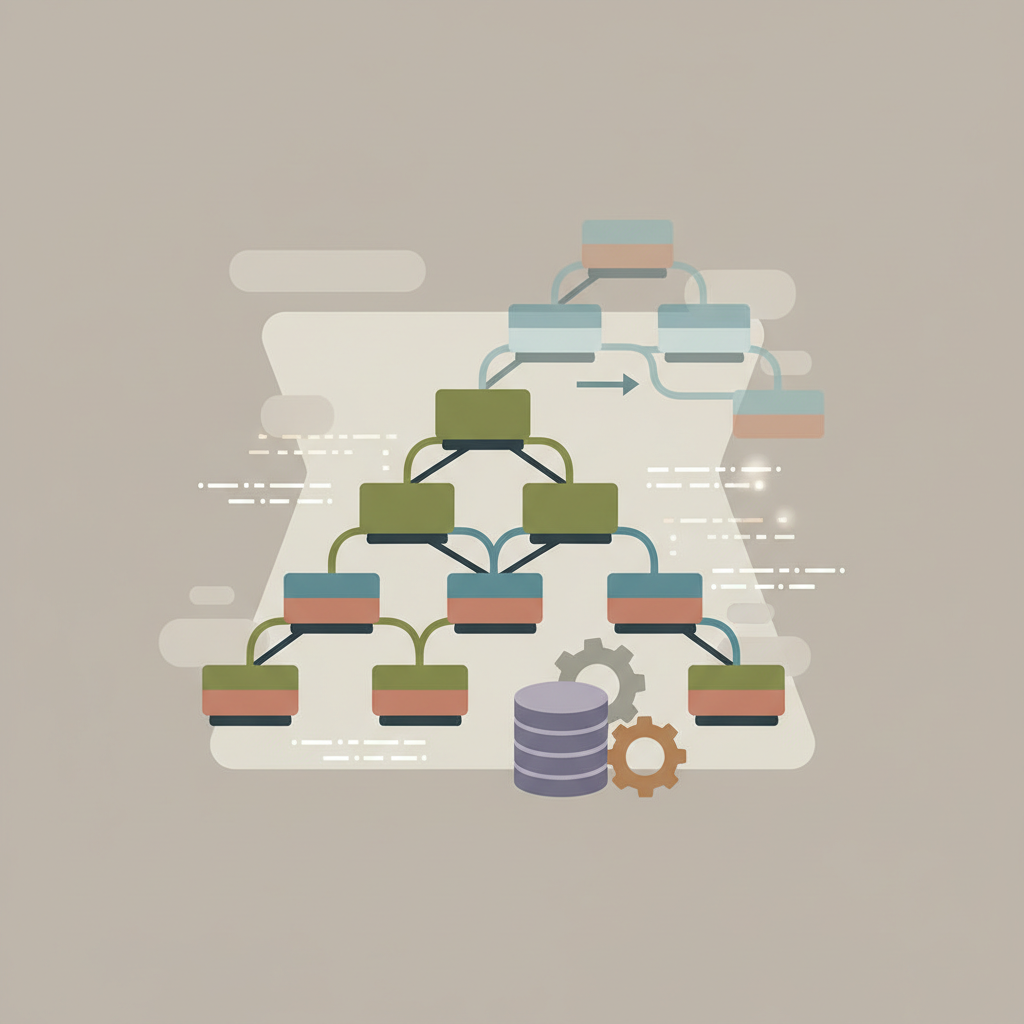
Why Copy-on-Write B-Trees Improve Database Concurrency Control
Copy-on-Write B‑Trees provide immutable snapshots for readers while writers work on new nodes, enabling high concurrency with minimal blocking.
Copy-on-Write B‑Trees provide immutable snapshots for readers while writers work on new nodes, enabling high concurrency with minimal blocking.

Copy‑on‑write lets the kernel clone a process without copying its memory pages, deferring duplication until a write occurs, which dramatically speeds up fork.
This article explains how copy‑on‑write B‑trees work, why they speed up database snapshots, and what trade‑offs developers should consider.
Table of Contents Introduction Fundamentals of Copy‑On‑Write (COW) 2.1 What Is COW? 2.2 Why COW Improves Reliability Core Design Goals for High‑Performance COW FS 3.1 Low Latency Writes 3.2 Scalable Metadata Management 3.3 Efficient Snapshots & Clones 3.4 Space‑Efficient Data Layout Major Production COW File Systems 4.1 ZFS 4.2 Btrfs 4.3 APFS 4.4 ReFS (Windows) Internals: How COW Is Implemented 5.1 Block Allocation Strategies 5.2 Transaction Groups & Intent Log 5.3 Metadata Trees (B‑Trees, Merkle Trees) 5.4 Checksum & Data Integrity Performance Optimizations 6.1 Write Coalescing & Batching 6.2 Adaptive Compression & Inline Deduplication 6.3 Z‑Ordering & RAID‑Z Layouts 6.4 Asynchronous Scrubbing & Healing Practical Example: Using Btrfs for High‑Performance Snapshots Benchmarking COW vs. Traditional Journaling FS Best Practices for Deploying COW File Systems in Production Future Directions & Emerging Research Conclusion Resources Introduction Copy‑on‑Write (COW) file systems have moved from academic curiosities to the backbone of many modern storage stacks. From the data‑center‑grade ZFS to the consumer‑focused Apple File System (APFS), COW provides atomicity, crash‑consistency, and instant snapshots without the overhead of traditional journaling. Yet, achieving high performance with COW is non‑trivial: naïve implementations can suffer from write amplification, fragmentation, and latency spikes. ...