Understanding Linux Architecture: A Deep Dive into the Kernel, Subsystems, and Real‑World Applications

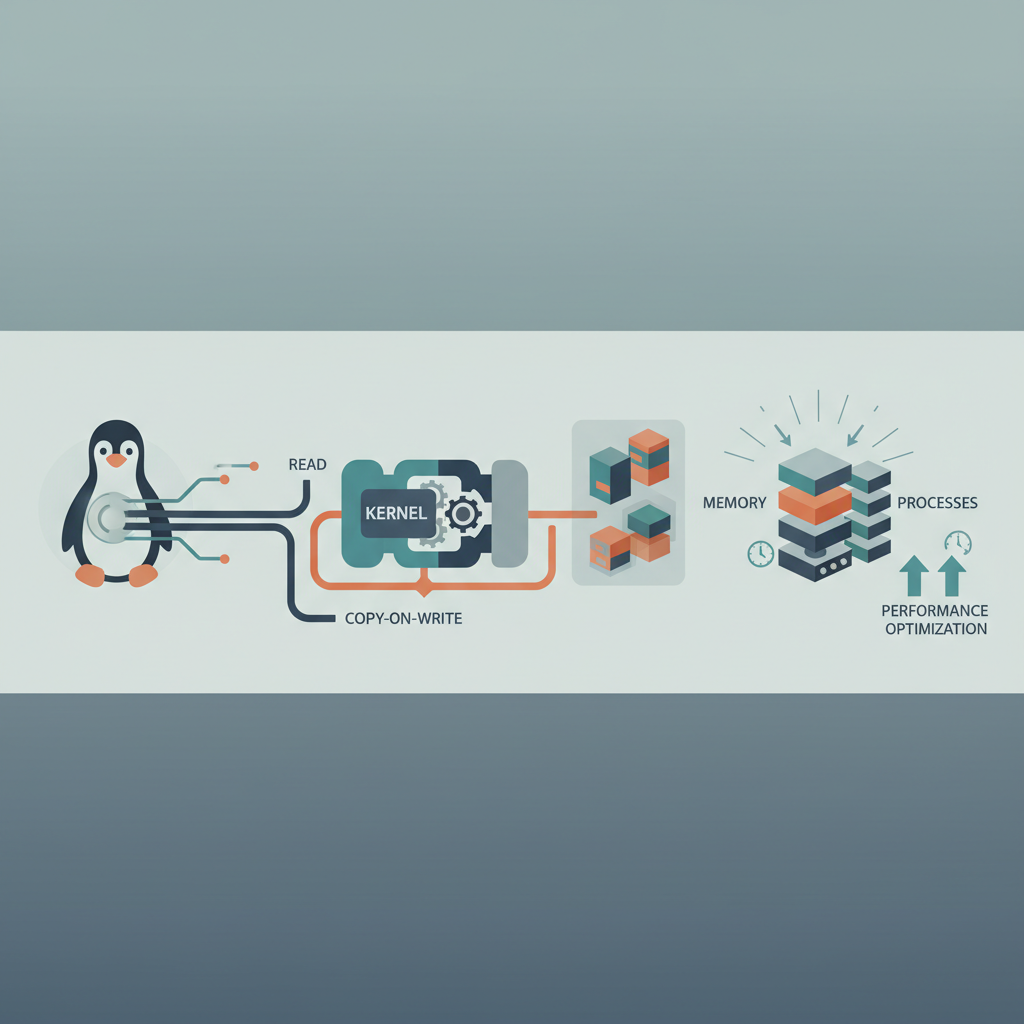
Introduction Linux powers everything from tiny IoT sensors to the world’s most powerful supercomputers. Yet, despite its ubiquity, many developers and system administrators only scratch the surface of what makes Linux tick. This article offers a comprehensive, in‑depth exploration of Linux architecture, detailing the core kernel components, the surrounding user‑space stack, and the practical implications for real‑world deployments. By the end of this guide you will understand: How the Linux kernel is organized and why its modular design matters. The relationship between system calls, the Virtual File System (VFS), and device drivers. How init systems, libraries, and package managers fit into the broader picture. Practical steps to build a minimal Linux system from source. Real‑world use cases and performance‑tuning strategies. Whether you’re a seasoned kernel hacker, a DevOps engineer, or a hobbyist curious about the internals, this article provides the depth and breadth you need to navigate the Linux ecosystem confidently. ...

April 1, 2026 · 13 min · 2652 words · martinuke0

Tuning Linux Kernel Network Buffers and Scheduling Policies for High‑Performance Networking

Table of Contents Introduction Why Kernel‑Level Tuning Matters Anatomy of the Linux Network Stack 3.1 Socket Buffers (sk_buff) 3.2 Ring Buffers & NIC Queues Core Network Buffer Parameters 4.1 /proc/sys/net/core/* 4.2 /proc/sys/net/ipv4/* Practical Buffer Tuning Walk‑through 5.1 Baseline Measurement 5.2 Increasing Socket Memory Limits 5.3 Adjusting NIC Ring Sizes 5.4 Enabling Zero‑Copy and GRO/LRO Scheduling Policies in the Kernel 6.1 Completely Fair Scheduler (CFS) 6.2 Real‑Time Policies (SCHED_FIFO, SCHED_RR, SCHED_DEADLINE) 6.3 Network‑Specific Scheduling (qdisc, tc) CPU Affinity, IRQ Balancing, and NUMA Considerations Putting It All Together: A Real‑World Example Monitoring, Validation, and Troubleshooting Conclusion Resources Introduction Modern data‑center workloads, high‑frequency trading platforms, and large‑scale content delivery networks demand sub‑microsecond latency and multi‑gigabit throughput. While application‑level optimizations (e.g., async I/O, connection pooling) are essential, the Linux kernel remains the decisive factor that ultimately caps performance. ...

April 1, 2026 · 13 min · 2765 words · martinuke0

Understanding Virtual File Systems (VFS): Architecture, Implementation, and Real‑World Use Cases

Table of Contents Introduction Why a Virtual File System? Core Concepts and Terminology 3.1 Inodes and Dentries 3.2 Superblocks and Filesystem Types 3.3 Mount Points and Namespaces VFS Architecture in Major OSes 4.1 Linux VFS 4.2 Windows I/O Subsystem (I/O Manager & RDBSS) 4.3 macOS (XNU) VFS Layer Key VFS Operations and Their Implementation 5.1 Path Resolution 5.2 Open, Read, Write, Close 5.3 File Creation & Deletion 5.4 Permission Checks Practical Example: Writing a Minimal Linux VFS Module User‑Space Filesystems: FUSE and Beyond Network Filesystems and VFS Integration Performance Optimizations in VFS Security Considerations Extending VFS in Embedded and Real‑Time Systems Future Directions for VFS Technology Conclusion Resources Introduction A Virtual File System (VFS) is an abstraction layer that sits between the kernel’s core file‑system logic and the concrete file‑system implementations (ext4, NTFS, NFS, etc.). By presenting a uniform API to user space, the VFS enables applications to interact with files and directories without needing to know the underlying storage medium, network protocol, or device driver specifics. ...

April 1, 2026 · 13 min · 2697 words · martinuke0

Understanding kworker: The Heartbeat of Linux Kernel Workqueues

Introduction If you have ever peered into a running Linux system with tools like top, htop, or ps, you might have noticed a set of processes named kworker/*. These processes are not user‑space daemons; they are kernel threads that drive the workqueue subsystem, a core mechanism that lets the kernel defer work to a later time or to a different context. Understanding kworker is essential for anyone who: Writes kernel modules or device drivers. Diagnoses performance or latency problems on Linux servers, embedded devices, or real‑time systems. Wants to comprehend how the kernel handles asynchronous I/O, timers, and deferred work. This article dives deep into the architecture, APIs, practical usage, debugging techniques, and performance considerations surrounding kworker. By the end, you’ll be able to: ...

March 27, 2026 · 13 min · 2642 words · martinuke0
Feedback