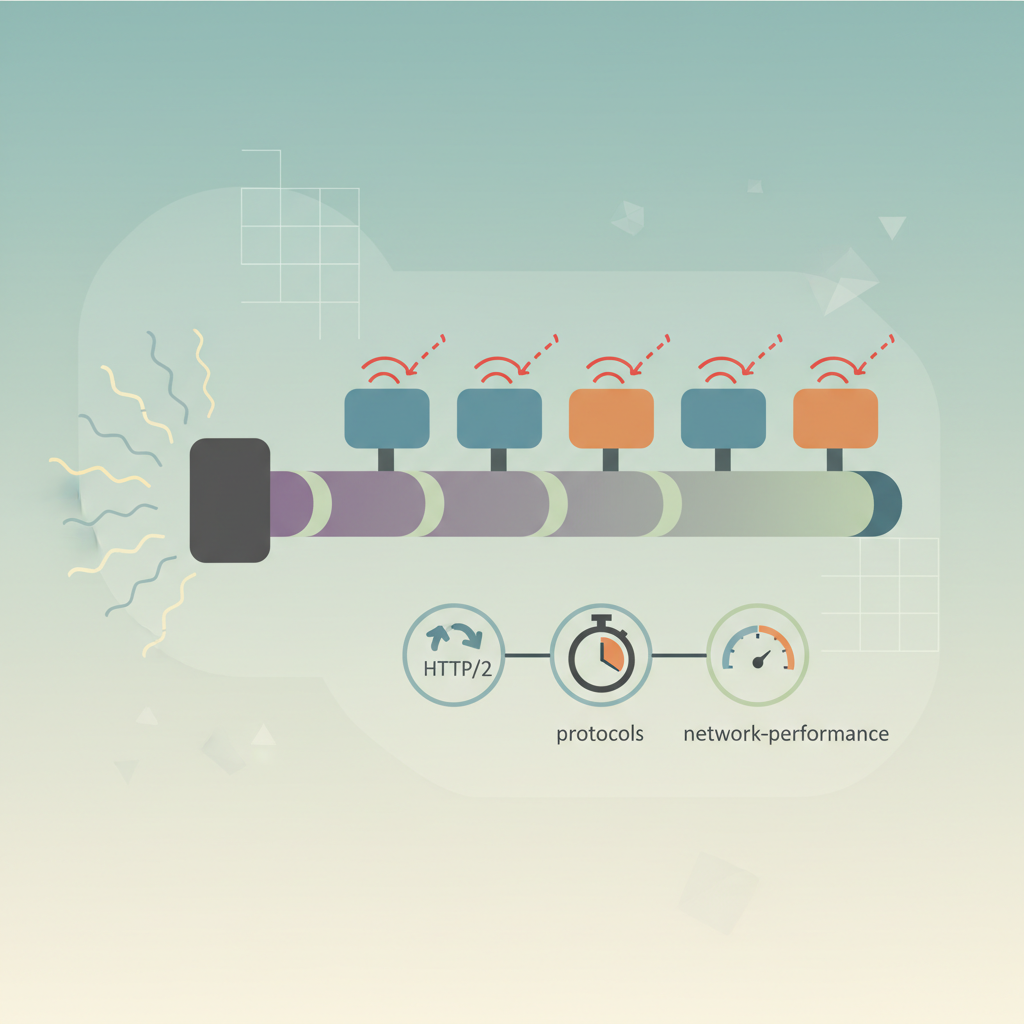
Atomic clock module beside server rack.

Implementing Atomic Clock Synchronization in High‑Frequency Trading Networks

Atomic clocks give HFT firms nanosecond accuracy, aligning timestamps across data centers. This guide walks through hardware, protocols, and operational best practices.
May 16, 2026 · 6 min · 1215 words · martinuke0
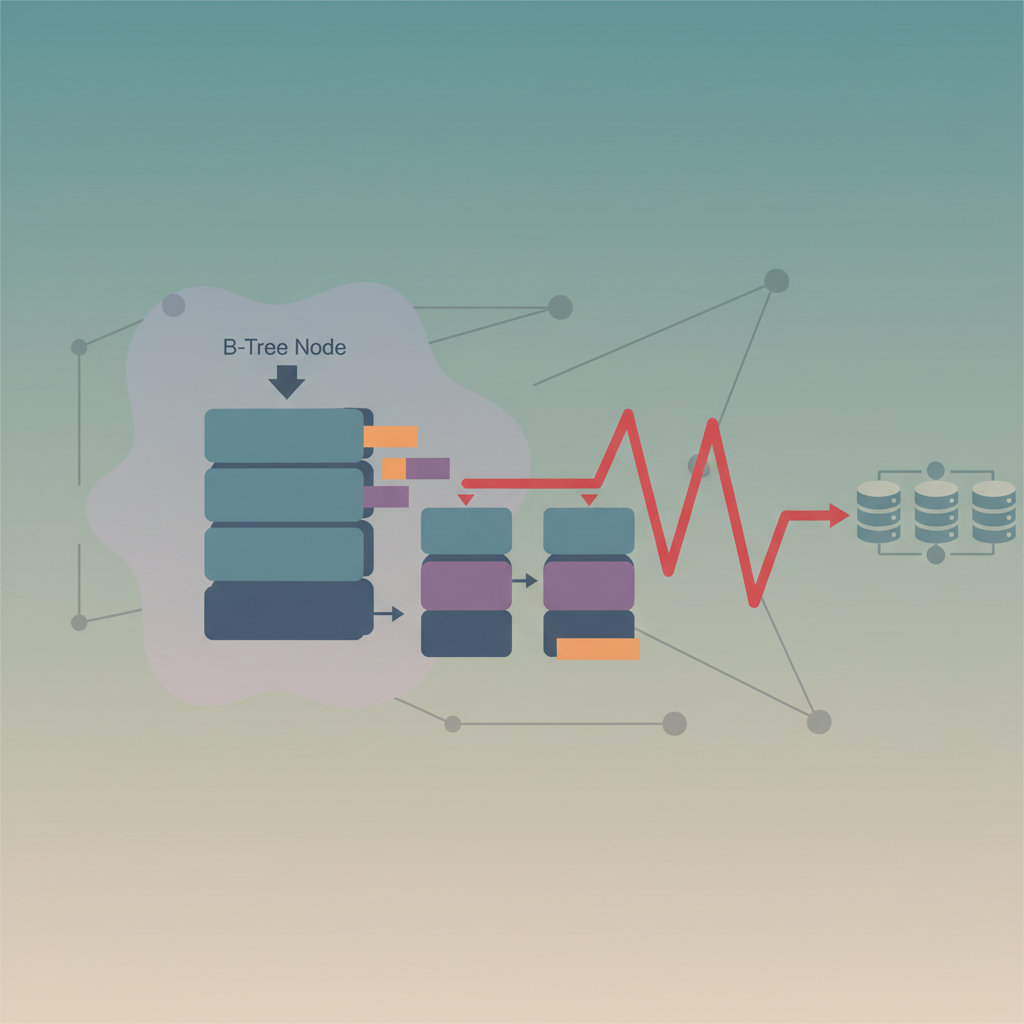
Diagram of a B-Tree with a node being split.

Why B-Tree Node Splitting Causes Unexpected Tail Latency

B‑Tree node splits can trigger rare but costly latency spikes; this post explains why they happen and how to mitigate tail latency in modern storage engines.
May 16, 2026 · 8 min · 1505 words · martinuke0
Illustration of memory pages being duplicated on write.

How Copy-on-Write Semantics Impact Garbage Collection Latency

Copy‑on‑write can reduce memory copying but may increase GC pause times. This post explains why and how to mitigate the latency impact.

May 14, 2026 · 8 min · 1610 words · martinuke0

Optimizing Latency in Decentralized Inference Chains: A Guide to the 2026 Open-Source AI Stack

Introduction The AI landscape in 2026 has matured beyond monolithic cloud‑only deployments. Organizations are increasingly stitching together decentralized inference chains—networks of edge devices, on‑premise servers, and cloud endpoints that collaboratively serve model predictions. This architectural shift brings many benefits: data sovereignty, reduced bandwidth costs, and the ability to serve ultra‑low‑latency applications (e.g., AR/VR, autonomous robotics, real‑time recommendation). However, decentralization also introduces a new class of latency challenges. Instead of a single round‑trip to a powerful data center, a request may traverse multiple hops, each with its own compute, storage, and networking characteristics. If not carefully engineered, the aggregate latency can eclipse the performance gains promised by edge computing. ...

April 2, 2026 · 10 min · 2011 words · martinuke0

Managing Local Latency in Decentralized Multi‑Agent Systems with Open‑Source Inference Frameworks

Introduction Decentralized multi‑agent systems (MAS) are increasingly deployed in domains ranging from swarm robotics and autonomous vehicles to distributed IoT networks and edge‑centric AI services. In these environments each node (or agent) must make rapid, locally‑informed decisions based on sensor data, model inference, and peer communication. Local latency—the time between data acquisition and the availability of an inference result on the same device—directly impacts safety, efficiency, and overall system performance. ...

April 2, 2026 · 11 min · 2213 words · martinuke0
Feedback